
 By حقوق بشر در ایران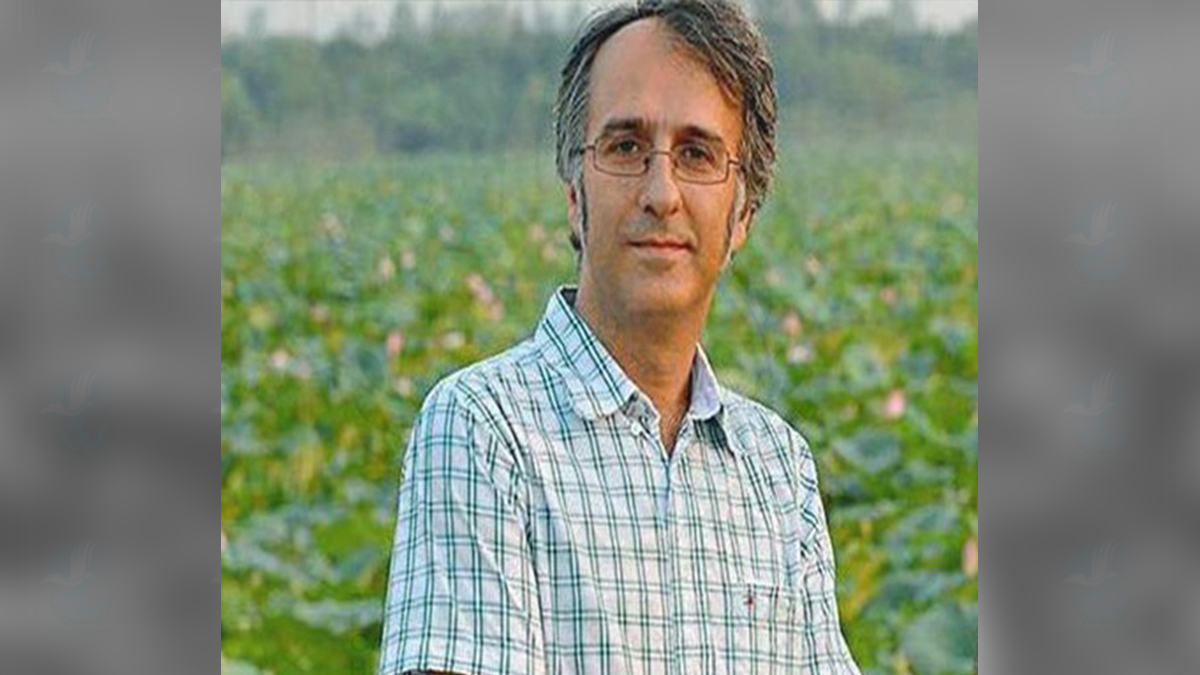
https://wp.me/p6xuBy-km6
Human Rights in Iran – Monday, 22nd June 2020 / The second hearing of Alireza Alinejad’s case was held by branch 28 of the Revolutionary Court of Tehran, presided over Mohammad Moghiseh and the trial was postponed until later.
According to Human Rights in Iran quoting from ILNA (Iranian Labour News Agency), today, Monday, 22nd 2020, Alireza Alinejad, a citizen residing in Tehran and incarcerated in Evin Prison was tried by branch 28 of Tehran’s Revolutionary Court, headed by judge Mohammad Moghiseh on charges of “assembly and collusion to endanger the national security and insulting the leader (Khamenei)”. The trial was postponed to July 14th of this year.
Explaining the news, Arash Keykhosravi, Alireza Alinejad’s lawyer said: “Today, the second court session was held, but unfortunately, today’s session, like the first session which was held on February 17, 2020, remained incomplete and the third court session was postponed to 14th July of this year.”
On May 6 (2020), Alireza Alinejad, a citizen living in Tehran, was transferred from IRGC’s ward 2A, controlled by Revolutionary Guard to the public ward in Evin Prison, after being charged and endured 225 days in solitary confinement.
Alireza Alinejad, the brother of Masih Alinejad (a journalist, political and women’s rights activist) who is currently been held in IRGC’s detention center, had first been trialled by branch 28 of the Revolutionary Court in Tehran by Mohammad Moghiseh on February 17, 2020 and the second hearing of his case was postponed to another time.
Following an attack by the Ministry of Intelligence agents on their private residences, Alireza Alinejad along with Hadi Lotfi and Leila Lotfi were arrested on September 25, 2019 and taken to security ward 209 of this organization in Evin Prison.
After the interrogation process, Leila Lotfi was temporarily released on bail on October 19, 2020, until the completion of the trial process.
As stated in the Article 2 of the Universal Declaration of Human Rights: “Everyone is entitled to all the rights and freedoms set forth in this Declaration, without distinction of any kind, such as race, colour, sex, language, religion, political or other opinion, national or social origin, property, birth or other status.” As well as, according to Article 19 of the Universal Declaration of Human Rights: “Everyone has the right to freedom of opinion and expression; this right includes freedom to hold opinions without interference and to seek, receive and impart information and ideas through any media and regardless of frontiers.”
Also the individuals’ right to access fully fair trial is one of the inalienable rights accentuated in Article 10 of Universal Declaration of Human Rights.


برای دریافت آخرین پستها به ایمیل خود مشترک شوید